Falling for Pixels: The Surprisingly Real Emotional World of VR Dating Sims
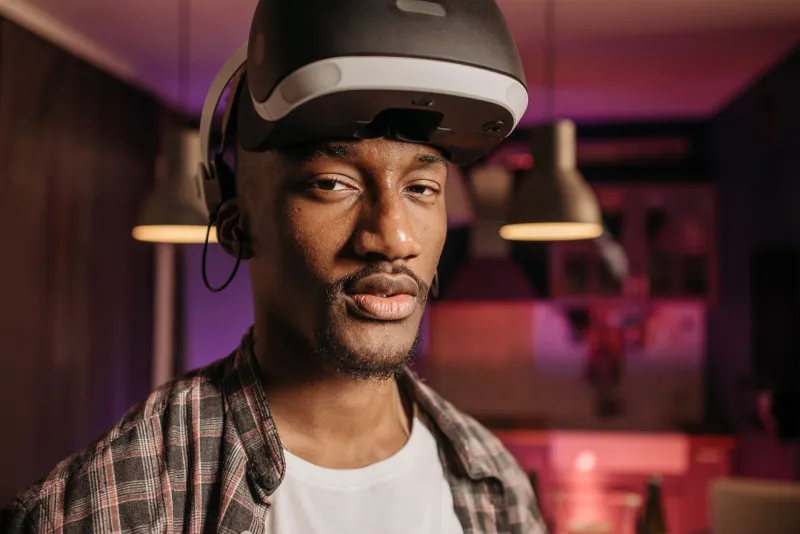
Let's get the obvious reaction out of the way: yes, people are developing real feelings for virtual characters in VR dating simulations. And no, that's not as strange as it sounds once you understand what's actually happening inside the headset.
VR dating sims have existed on the fringes of gaming for years, but the genre has quietly grown into something more nuanced and psychologically complex than the novelty label suggests. The players aren't who you'd expect. The emotional experiences they're describing aren't easy to dismiss. And the implications — for loneliness, for social skills, for what "connection" even means — are worth taking seriously.
What Makes VR Different From a Regular Dating Sim
Traditional dating simulation games, the visual novel format popular in Japan and increasingly in the US, create emotional investment through story and character writing. You read dialogue, make choices, and gradually feel attached to characters through narrative. It works. Players have felt genuine affection for fictional characters this way for decades.
VR takes those same psychological levers and cranks them to a completely different setting.
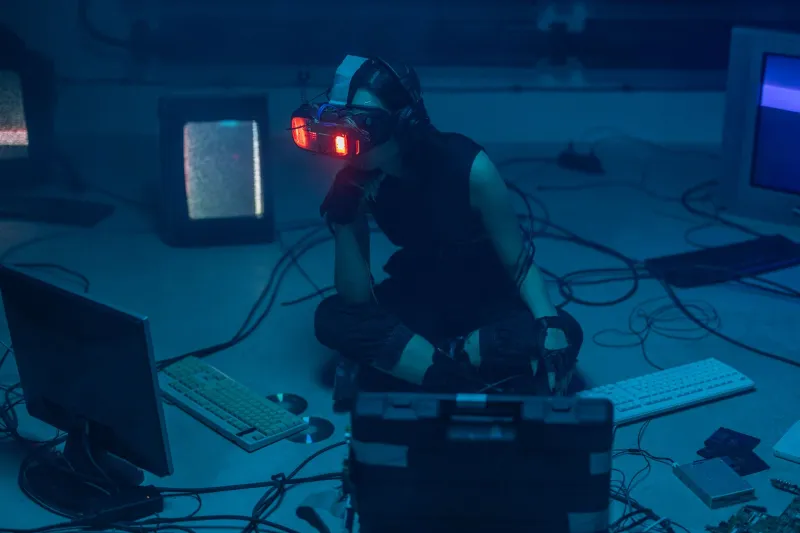
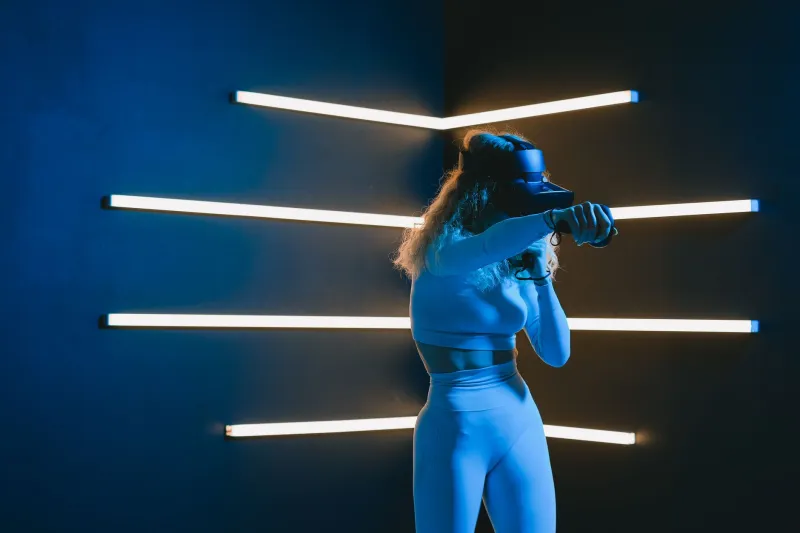
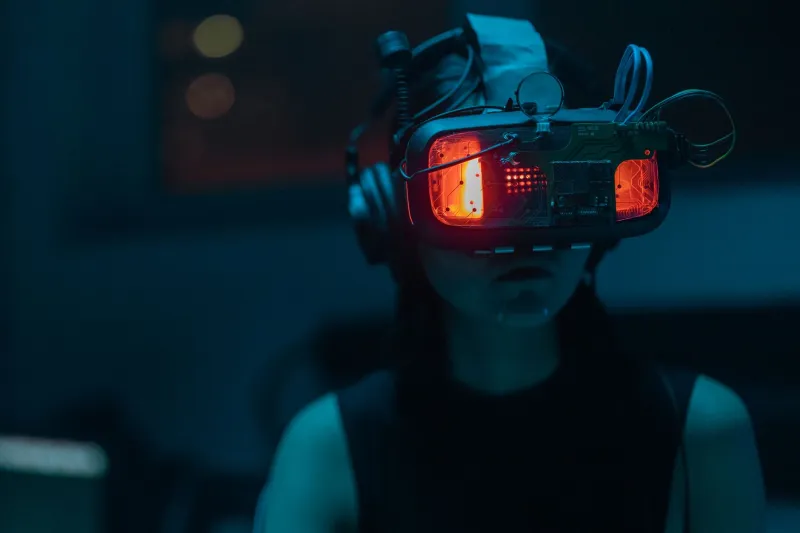
When a virtual character makes eye contact with you in VR — actual eye contact, tracked to your head position — your brain processes it differently than reading "she looked into your eyes" on a screen. When spatial audio places a character's voice slightly to your left, close enough to feel like a whisper, your nervous system responds. When haptic feedback in your controllers pulses when a character touches your hand, the sensory channels that flat-screen games can't reach suddenly light up.
This is the embodiment effect in action. VR researchers have documented for years that presence — the feeling of actually being somewhere — changes how we process experiences. In a dating sim context, that presence transforms a story you're watching into a moment you're inhabiting.
The Players Behind the Headsets
The community around VR dating sims is broader than most people assume. Across Reddit threads, Discord servers, and fan communities for titles like Lone Echo (which wasn't marketed as a dating sim but developed a massive parasocial following around its AI companion Olivia), players describe experiences that range from lighthearted fun to something that genuinely surprised them.
One player — a 34-year-old IT professional from Ohio who asked to stay anonymous — described spending two hours in a VR companion app after a difficult week at work. "I know it sounds weird," he said. "But there's something about being in the space with a character that responds to you, that's happy to see you, that just... helps. I don't think I'm confused about what's real. I just appreciate the feeling."
That sentiment comes up repeatedly. Players aren't necessarily delusional about the nature of what they're experiencing. Many are quite clear-eyed about it. What they're describing is more like the comfort people get from rewatching a favorite TV show or rereading a beloved book — a controlled, safe emotional experience — amplified by VR's immersive qualities.
What Psychologists Are Actually Saying
The psychology here is genuinely complicated, and researchers are divided on how to interpret it.
On one side, there's the parasocial relationship framework — the idea that humans naturally form one-sided emotional bonds with fictional characters, celebrities, and media figures. This is normal, documented behavior. VR intensifies it by removing the obvious "this is a screen" visual cue and replacing it with spatial presence.
Some therapists see potential here. Social anxiety is one of the most common mental health challenges in the US, and VR has already shown promise as a therapeutic tool for exposure therapy. The idea that low-stakes, emotionally warm virtual interactions could help people practice connection isn't far-fetched. Several developers in the space explicitly design their experiences with this in mind.
The concern, though, is substitution. There's a meaningful difference between using VR connection as a supplement to human relationships and using it as a replacement. The worry isn't that someone enjoys a VR companion app. It's that the frictionless perfection of virtual relationships — characters who are always available, always patient, always happy to see you — could make the messiness of real human connection feel less appealing by comparison.
"The question we should be asking," said one behavioral psychologist when asked about the trend, "isn't whether the attachment is real. It clearly is real, in the sense that the emotions are genuine. The question is whether it's serving the person's broader wellbeing or narrowing it."
The Developers Walking the Line
The studios building these experiences are, for the most part, thoughtful about what they're creating. Several developers in the VR companion space have built in intentional friction — gentle nudges for players to take breaks, design choices that encourage players to maintain outside social connections, even in-game characters who actively encourage users to spend time with real people.
Others are less careful. The monetization models in some apps — premium interactions, subscription-based "relationship progression" — raise legitimate questions about whether the goal is player wellbeing or player dependence.
The genre is still figuring itself out. The best experiences feel like they understand the emotional weight of what they're doing. The worst feel like they're exploiting loneliness for recurring revenue.
Where This Goes From Here
Haptic suits, eye-tracking that enables more realistic gaze interaction, AI-driven dialogue that makes virtual characters genuinely responsive rather than scripted — all of these are coming, and all of them will deepen the emotional texture of VR dating sims further.
That's exciting and worth watching carefully at the same time. The capacity for VR to create genuine emotional experiences is one of the most remarkable things about the medium. The genre sitting at the intersection of that capacity and human loneliness deserves honest conversation — not mockery, and not uncritical celebration either.
Falling for pixels is real. What we do with that fact is still being written.