Sweat, Score, Repeat: The VR Fitness Games That Are Actually Getting People Off the Couch
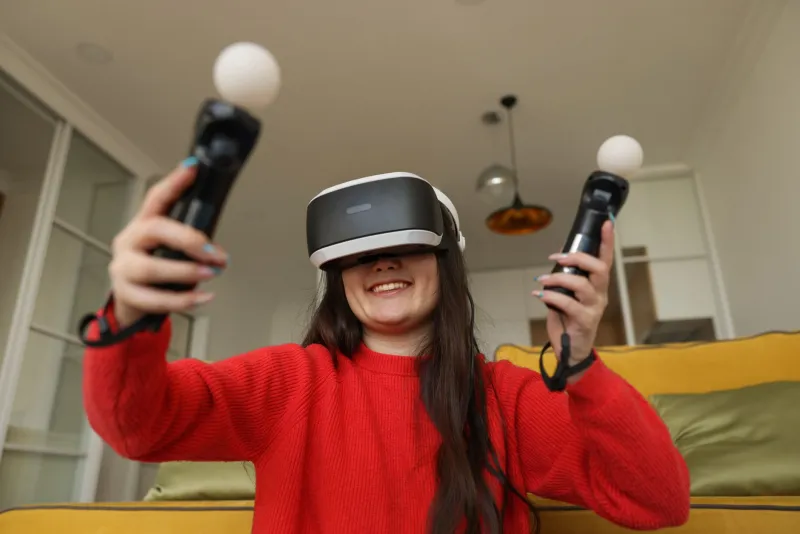
Nobody buys Beat Saber thinking they're signing up for cardio. You load it up because slashing glowing blocks to the beat of your favorite tracks looks absurdly fun — and it absolutely is. But somewhere around your third consecutive song, when your arms are burning and your shirt is damp, you start doing the math. Wait. Is this... a workout?
For a lot of people, the answer is yes. And it's quietly changing how Americans think about exercise.
The Accidental Fitness Revolution
VR fitness didn't arrive with a press release. It crept up on the gaming community through sweaty multiplayer sessions and viral TikToks of people absolutely exhausted after an hour of Supernatural. The fitness industry noticed. So did doctors, personal trainers, and eventually, the studios themselves — who started leaning into the health angle with dedicated workout modes, calorie trackers, and coaching features.
What makes VR exercise stick where fitness apps fail comes down to one thing: you forget you're working out. The gamification isn't a thin layer of points sprinkled on top of a boring routine. The movement is the game. You're not doing squats to unlock a reward — you're dodging an obstacle that will literally end your run if you don't get low enough.
That psychological difference is massive.
Breaking Down the Burn
Let's talk numbers, because the skeptics deserve data.
Research published in peer-reviewed journals and independent studies from institutions including the University of Westminster have found that active VR gameplay can burn between 6 to 15 calories per minute, depending on intensity and title. For context, a brisk walk burns roughly 4 to 5 calories per minute. A light jog lands around 8 to 10.
Here's a rough breakdown of what the major titles deliver:
Beat Saber At moderate intensity, most players burn somewhere in the range of 6–8 calories per minute. Crank it up to Expert+ difficulty on a fast track and that number climbs. A 30-minute session can realistically hit 200–300 calories — comparable to a solid cycling class segment.
Supernatural This one is purpose-built for fitness. With daily coached workouts, flow sessions set to licensed music, and a boxing mode, Supernatural regularly clocks 10–14 calories per minute for active players. The app even integrates with Apple Health and tracks your streaks. A full 45-minute session can rival a moderate CrossFit class.
Thrill of the Fight If you want the most brutally honest cardio in VR, this boxing simulator delivers. Players report heart rates in the 160–180 BPM range during intense rounds. Fitness researchers have specifically called out Thrill of the Fight as one of the few VR titles that genuinely mimics the cardiovascular demand of a real sport. Expect 10–15 calories per minute when you're going hard.
Pistol Whip Often overlooked in the fitness conversation, this rhythm shooter demands constant lower-body movement to dodge incoming fire. It's a full-body experience that sneaks up on you — by the end of a campaign run, your legs know they did something.
What Fitness Pros Actually Think
We talked to a certified personal trainer based in Austin, Texas, who has been recommending VR to clients for the past two years. Her take was refreshingly direct.
"The number one reason people stop exercising is boredom and lack of motivation," she told us. "VR solves both problems simultaneously. I have clients who genuinely look forward to their 'workout' because they don't think of it as one. That's not a small thing — that's the whole game."
She does offer a caveat: VR fitness works best as a complement to structured training, not a full replacement. "You're not going to build significant strength from Beat Saber alone. But for cardiovascular health, consistency, and just getting people moving? It's one of the best tools I've seen in years."
Sports medicine professionals have echoed this sentiment, particularly when it comes to populations who struggle with traditional gym environments — older adults, people recovering from sedentary periods, or anyone with exercise-related anxiety.
Real People, Real Results
The testimonials from everyday players are where this gets genuinely compelling.
Marcus, a 41-year-old software engineer from Seattle, told us he hadn't exercised consistently in nearly a decade before picking up a Meta Quest 2 during the pandemic. "I started playing Supernatural three times a week because I liked the music. Six months later I'd lost 22 pounds and my resting heart rate had dropped significantly. My doctor thought I'd joined a gym."
Sarah, a 29-year-old teacher in Atlanta, says VR fitness finally cracked the motivation problem that derailed every previous attempt at a routine. "I've tried every app. Every YouTube workout. I'd do them for two weeks and quit. With Beat Saber, I've been consistent for over a year because I'm not thinking about burning calories — I'm thinking about beating my high score."
That competitive hook is something traditional fitness platforms have struggled to replicate authentically. Leaderboards in a fitness app feel tacked on. In a VR game, they're the whole point.
The Gear Question
You don't need a high-end setup to get started. The Meta Quest 3 and Quest 3S are the sweet spot for most people — standalone headsets that require no PC, no wires, and no dedicated room. Beat Saber, Supernatural, and Pistol Whip all run natively on Quest hardware. Thrill of the Fight is available on Quest as well.
If you're serious about tracking your fitness progress, a chest heart rate monitor paired with your headset gives you more accurate data than wrist-based trackers, which can struggle to read properly during fast arm movements.
One practical tip: get a silicone face gasket cover. The stock foam inserts on most headsets become genuinely unpleasant after a sweaty session, and the silicone versions wipe clean in seconds.
Is This the Future of Fitness?
Probably not in isolation — but as part of a broader shift toward making movement more accessible and enjoyable, VR fitness is punching well above its weight. The numbers are real, the consistency data is compelling, and the player stories speak for themselves.
At IgnisVR, we've always believed that the best VR experiences make you forget the headset is on. The best VR fitness games go one step further: they make you forget you're exercising. And in a country where consistent physical activity remains a genuine public health challenge, that's not a gimmick. That's genuinely useful.
Now go beat your high score. Your heart rate will thank you.