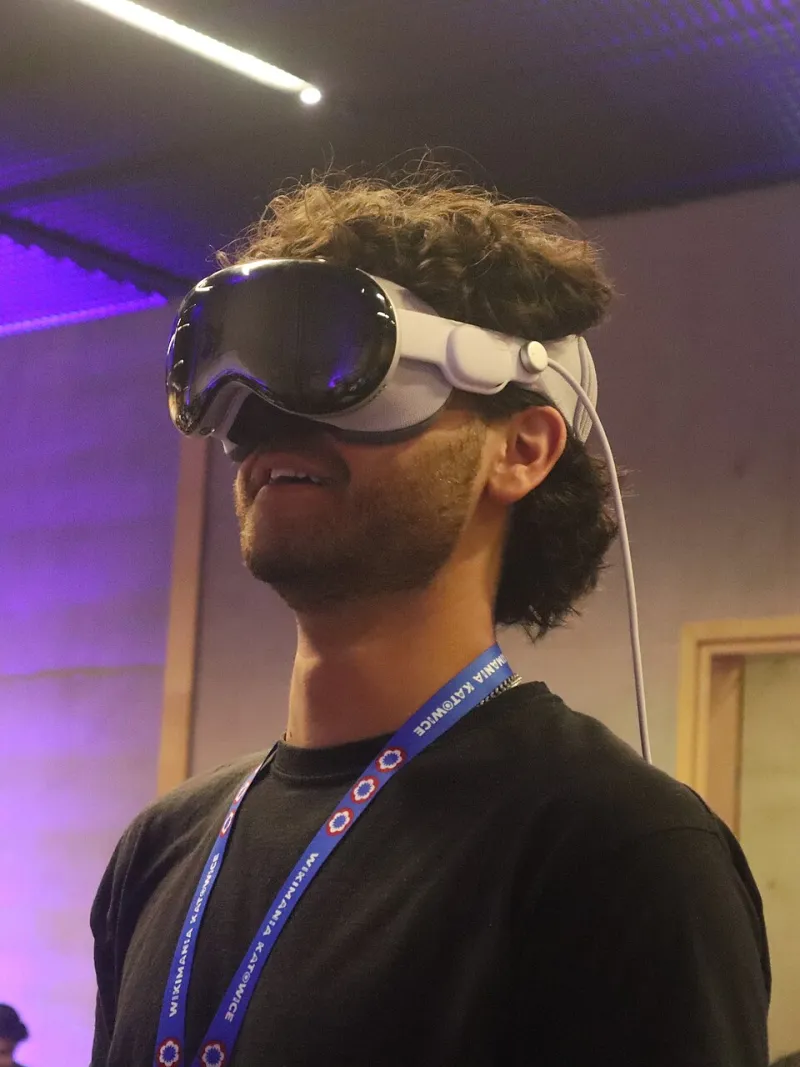
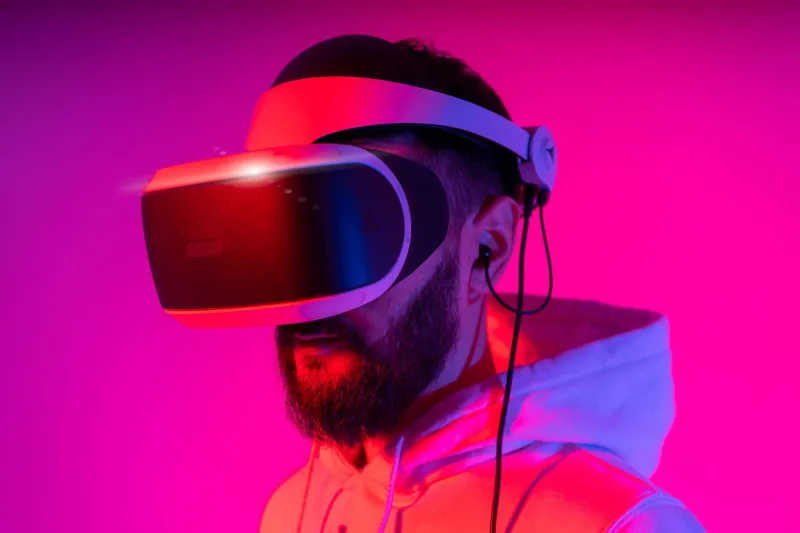
The Gym Membership You Don't Cancel: How VR Fitness Built a Workout Culture That Sticks
Photo: Internet Archive Book Images, No restrictions, via Wikimedia Commons
The January problem
Every January, millions of Americans buy a gym membership with the best intentions. By March, the card is in a drawer and the only thing getting a workout is the guilt. VR fitness has the same dropout problem in theory, but something different is happening in practice. Players are coming back. Not all of them, and not forever, but enough to build a real culture around sweating in a headset.
The reason is not complicated. VR fitness feels like a game first and a workout second. That order matters. When the reward is a high score, a streak, or a new song, the exercise is a side effect. When the reward is only calories burned, the couch wins. The best VR fitness games understand this, and the communities around them have turned repetition into routine.
The games people actually return to
Supernatural built a following around coached workouts and beautiful scenery. FitXR leans into studio-style classes and daily goals. Les Mills Bodycombat brings the group-fitness energy of a gym class without the commute. Beat Saber remains the gateway drug, and Pistol Whip turns cardio into a rhythm-shooter. Thrill of the Fight is the closest thing VR has to a real boxing workout, and Eleven Table Tennis can quietly work up a sweat while you are busy trash-talking a stranger.
These games do not all appeal to the same player, which is the point. Some people want a coach telling them to pick up the pace. Some want a leaderboard. Some want to punch a virtual opponent until their arms feel like noodles. The common thread is feedback. A step counter is boring. A combo meter is not. A workout that ends with a score screen feels different from one that ends with a spreadsheet.
The sweat problem nobody solved
Here is the part the marketing rarely shows: VR fitness is gross. You sweat into a facial interface that is pressed against your face. The lenses fog. The headset gets heavy. The battery drains faster than you expect. If you share the headset with a partner or a roommate, hygiene becomes a real issue. Disposable masks, silicone covers, and cleaning wipes help, but they are workarounds, not solutions.
Developers have improved comfort over the years, but the fundamentals are still awkward. Breathable materials are better than they used to be. Balanced headsets are easier on the neck. Fans and anti-fog treatments exist. None of that changes the fact that you are exercising with a computer strapped to your head. The best VR fitness setups include a dedicated sweat band, a washable cover, and a willingness to look ridiculous.
Space is another unsolved problem. Apartment dwellers have to worry about noise, ceiling height, and neighbors below. A jumping workout in a second-floor apartment is a diplomatic incident waiting to happen. Some games offer low-impact modes and seated options, but the category still skews toward standing, swinging, and ducking. The players who stick with it learn to adapt their space. The ones who do not often quit.
Community is the cardio
What keeps people coming back is not just the game. It is the group. VR fitness communities live on Discord, Facebook groups, and in-game challenges. Players post streaks, compare playlists, and organize weekly sessions. Some groups run weight-loss challenges. Others focus on consistency, celebrating the days when someone shows up tired and does twenty minutes anyway.
That social layer matters more than the calorie counters. A gym membership is easy to cancel because nobody notices. A VR fitness group notices. When your name is on a leaderboard or your squad is expecting you at 7 p.m., skipping feels different. It is not peer pressure in a bad way. It is accountability dressed up as fun.
The seasonal rhythm helps too. Winter is VR fitness season in much of the US. It is dark outside, the gym is a drive away, and the headset is already in the living room. A thirty-minute session in Beat Saber or Supernatural fits between dinner and bedtime. It is not a replacement for strength training or a real-world sport, but it is a sustainable way to move when the alternatives are inconvenient.
Respect the exergame
VR fitness still gets side-eye from parts of the gaming audience. It is not a real game, the argument goes. It is a workout video with extra steps. That criticism misses what makes the category work. The best VR fitness titles are designed with the same care as any other game: pacing, progression, feedback loops, and a reason to press play again tomorrow. The fact that they also raise your heart rate is a feature, not a punchline.
Exergaming has been around for decades, from dance pads to motion controllers. VR is the first version that actually feels immersive enough to forget you are exercising. That is worth more respect than it gets. It is also worth better hardware, better hygiene solutions, and better design for small spaces. The players are already showing up. The industry should meet them where they sweat.